Radon System Repair & Fan Replacement in Milwaukee, WI
Our Milwaukee-based team restores Radon System Repair & Fan Replacement with professional EPA, AARST, and NRPP standards. Trust Brian Thompson’s expert team to protect your home’s indoor air quality with precise diagnostics and long-term system performance.
- Fast Estimates
- Transparent Pricing
- Clean Installations
- AARST & NRPP Certified
- Fast Estimates
- Transparent Pricing
- Clean Installations
- AARST & NRPP Certified






When Does a Radon Fan Need Repair or Replacement?
A failing radon system fan doesn’t always stop working completely. Many homeowners first notice subtle warning signs that indicate reduced performance or imminent failure.
Common signs you may need radon fan repair or replacement include:
- Radon fan making noise, humming, rattling, or vibrating.
- A suddenly loud radon fan or increased radon fan noise.
- A radon fan that has stopped running entirely.
- Rising radon test results above 4.0 pCi/L.
- A cracked radon fan housing or damaged fan cover.
- Older fans exceeding their typical service life.
Because radon fans operate continuously, wear and tear is expected. Ignoring these issues can allow radon gas to enter through soil gas entry points such as foundation cracks and sump pits.
Our certified technicians use professional diagnostics and continuous radon monitors to confirm whether a repair or full radon mitigation fan replacement is required.
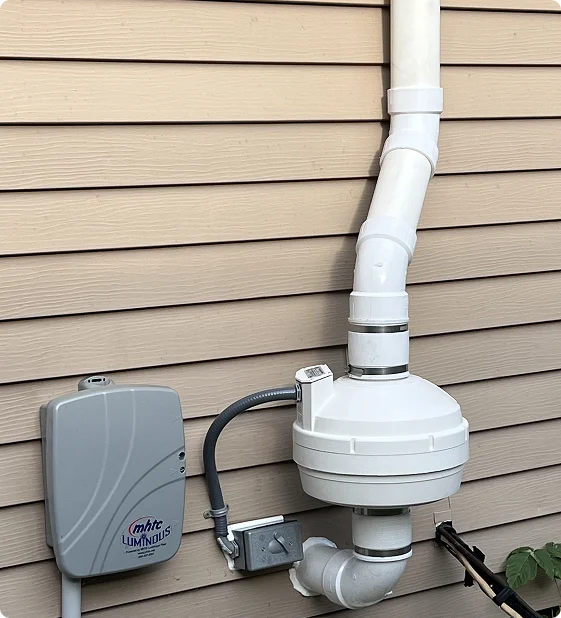
What are the options for Radon System Repair & Fan Replacement?
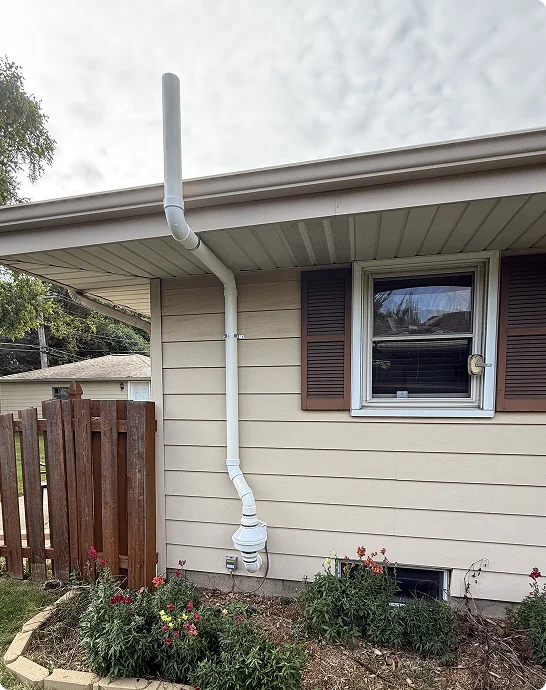
Radon Fan Repair
Full Radon Fan Replacement
Full radon fan replacement is the most common and reliable solution when a fan has failed, become excessively loud, or can no longer maintain radon levels below 4.0 pCi/L. Replacement may involve a direct fan swap or upgrading to a quieter, more efficient radon mitigation fan. This option restores proper airflow for active sub-slab depressurization and ensures consistent radon reduction throughout the home.
Radon Fan Upgrade
Radon System Vent & Electrical Repairs
Radon System Reconfiguration
Radon System Inspection & Performance Testing
Milwaukee Radon Mitigation specializes in radon fan replacement near you, using only high-quality, properly sized fans designed for long-term performance.
Our radon fan replacement services include:
- Removal of failed or underperforming radon fans
- Installation of radon mitigation fans approved by AARST & NRPP
- Replacement of basement radon fans and exterior radon fans
- Indoor and outdoor radon fan installations
- Radon exhaust fan and radon vent fan upgrades
Each radon mitigation system fan replacement is carefully matched to your system’s airflow requirements, foundation type, and piping configuration—ensuring effective Active Sub-Slab Depressurization without excessive noise or energy use.
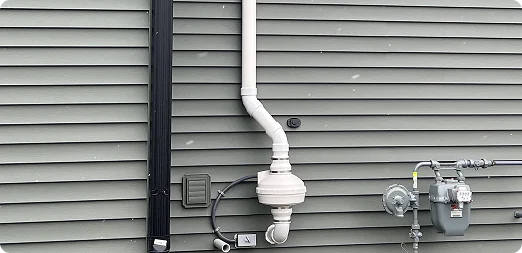
Correct radon fan sizing is critical. An undersized fan may fail to reduce radon levels, while an oversized fan can create unnecessary noise and shorten fan lifespan.
Our team follows a precise radon fan sizing guide that considers:
- Foundation layout and square footage
- Sub-slab conditions and airflow resistance
- Pipe diameter (3-inch radon fan vs 4-inch radon fan systems)
- Basement or crawlspace configurations
We handle complete radon fan installation, including:
- Electrical safety checks and proper fan switching
- Secure mounting and vibration isolation
- Weather-resistant sealing for outdoor radon fans
- System balancing for quiet, continuous operation
Every installation aligns with EPA radon mitigation guidelines and local building codes across Milwaukee and the Greater Milwaukee Area.
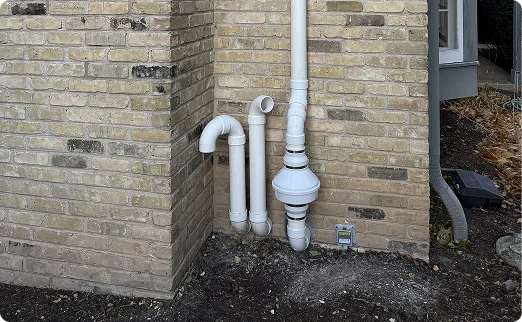
Professional Radon Fan Replacement Services in Milwaukee, WI
- Removal of failed or underperforming radon fans
- Installation of radon mitigation fans approved by AARST & NRPP
- Replacement of basement radon fans and exterior radon fans
- Indoor and outdoor radon fan installations
- Radon exhaust fan and radon vent fan upgrades
Radon Fan Installation & Proper System Sizing
- Foundation layout and square footage
- Sub-slab conditions and airflow resistance
- Pipe diameter (3-inch radon fan vs 4-inch radon fan systems)
- Basement or crawlspace configurations
- Electrical safety checks and proper fan switching
- Secure mounting and vibration isolation
- Weather-resistant sealing for outdoor radon fans
- System balancing for quiet, continuous operation
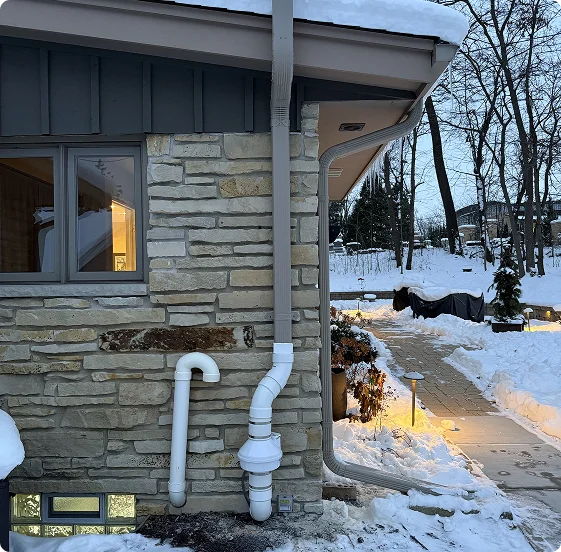
Radon Fan Replacement Cost in Milwaukee, WI
The cost to replace a radon fan varies depending on several factors. At Milwaukee Radon Mitigation, we believe in transparent pricing with no hidden fees.
Factors affecting radon fan replacement cost include:
- Fan type and airflow capacity
- Indoor vs exterior installation
- Electrical or venting modifications
- Overall condition of the radon mitigation system
While homeowners often ask about DIY radon fan kits, improper installation can lead to fan failure, higher radon levels, and code violations. Professional installation ensures your investment performs correctly and safely.
We provide clear estimates upfront and only recommend replacement when truly necessary.

Schedule Radon System Repair or Fan Replacement Today
Why Choose Milwaukee Radon Mitigation for Radon Fan Replacement?
Locally owned & operated in Milwaukee, Wisconsin
Led by Brian Thompson, certified radon professional
NRPP & AARST certified, licensed & insured
EPA-aligned testing and mitigation standards
Clean workmanship and compliant installations
Trusted across the Greater Milwaukee Area
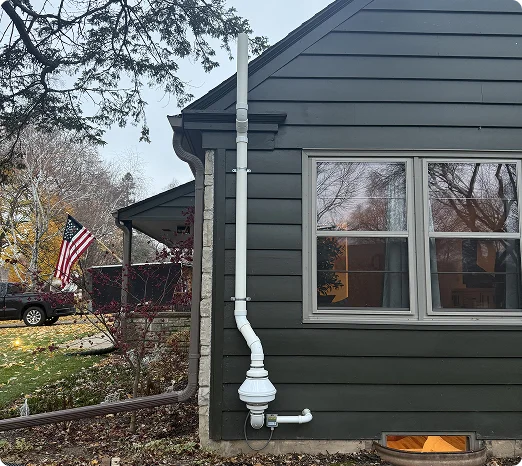
Radon mitigation is our sole focus—no shortcuts, no subcontractors, and no unnecessary upsells.
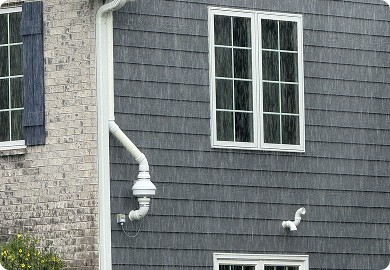
How Long Do Radon Fans Last?
Most radon mitigation fans last between 5–10 years, depending on quality, installation, and operating conditions.
Factors that shorten fan lifespan include:
- Excessive moisture exposure
- Improper fan sizing
- Continuous vibration or mounting issues
- Electrical instability
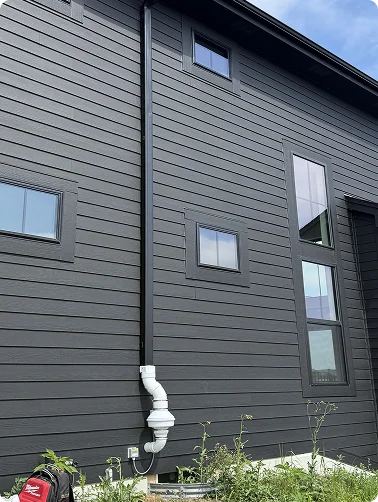
Our Process
System Inspection & Diagnosis
We inspect the radon fan, piping, airflow, and noise to accurately diagnose performance or failure issues.
Professional Fan Replacement
Our certified technicians replace or repair the radon fan, ensuring quiet operation and effective Active Sub-Slab Depressurization.
Clear Recommendations & Pricing
You receive expert guidance, proper fan sizing recommendations, and transparent pricing aligned with EPA, AARST, and NRPP standards.
System Verification & Safety Assurance
We verify airflow performance and recommend follow-up radon testing to confirm levels remain below 4.0 pCi/L.

System Inspection & Diagnosis
We inspect the radon fan, piping, airflow, and noise to accurately diagnose performance or failure issues.

Clear Recommendations & Pricing
You receive expert guidance, proper fan sizing recommendations, and transparent pricing aligned with EPA, AARST, and NRPP standards.

Professional Fan Replacement
Our certified technicians replace or repair the radon fan, ensuring quiet operation and effective Active Sub-Slab Depressurization.

System Verification & Safety Assurance
We verify airflow performance and recommend follow-up radon testing to confirm levels remain below 4.0 pCi/L.
Our Radon Services
Radon Mitigation
Radon Resistant New Construction
Radon System Inspection
Vapor Intrusion
Radon Testing
Frequently Asked Questions
Still have questions?
How do I know if my radon fan needs to be replaced?
A radon fan may need replacement if it becomes loud, stops running, vibrates excessively, or if radon test results rise above 4.0 pCi/L. Fans older than five to ten years are also more likely to fail and should be evaluated by a certified professional.
Can a radon fan be repaired instead of replaced?
How long do radon mitigation fans typically last?
Most radon mitigation system fans last between 5 and 10 years, depending on fan quality, installation method, and operating conditions. Proper sizing, moisture control, and regular system inspections can help extend fan lifespan
What causes a radon fan to become loud or noisy?
How much does radon fan replacement cost in Milwaukee, WI?
Should I choose a 3-inch or 4-inch radon fan?
Is it safe to replace a radon fan myself?
Will replacing the radon fan lower radon levels immediately?
Do outdoor or exterior radon fans last longer than indoor fans?
Do I need radon testing after a fan replacement?
Radon won't wait, why should you?
Contact Milwaukee Radon Mitigation today for expert radon testing, mitigation, and system installation services in Milwaukee, WI. Ensure a healthy indoor environment for your family by reaching out to our certified professionals for reliable and efficient radon solutions.
Address
6301 West National Avenue West Allis, WI 53214