Radon Resistant New Construction in Milwaukee, WI
Are you building with Radon resistant new construction prevention in mind from the foundation up? Serving Milwaukee and surrounding Wisconsin communities, Milwaukee Radon Mitigation designs systems that meet EPA, NRPP, and AARST standards.
Led by Brian Thompson, our systems meet national safety standards and support long-term indoor air quality compliance.
- Fast Estimates
- Transparent Pricing
- Clean Installations
- AARST & NRPP Certified
- Fast Estimates
- Transparent Pricing
- Clean Installations
- AARST & NRPP Certified






Why Radon Prevention Matters in New Construction
Radon gas does not discriminate between old and new homes. In fact, many new construction homes in Wisconsin test above the EPA action level of 4.0 pCi/L due to tighter building envelopes and natural soil conditions.
Radon enters homes through:
- Soil gas beneath the foundation
- Foundation joints and slab penetrations
- Sump pits and utility openings
Planning radon mitigation in new construction allows these pathways to be controlled early, reducing risk and avoiding costly retrofits later.
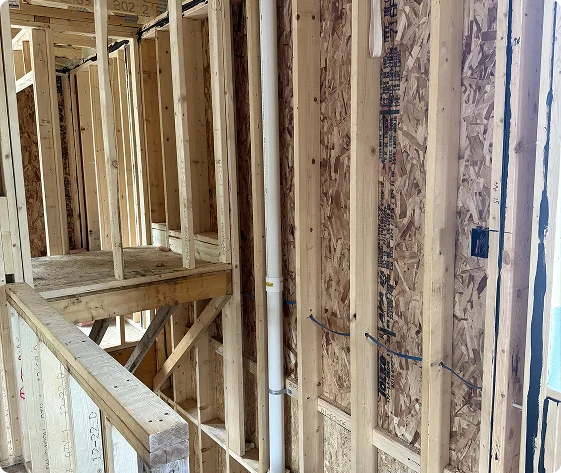
What are the options for Radon Resistant New Construction?
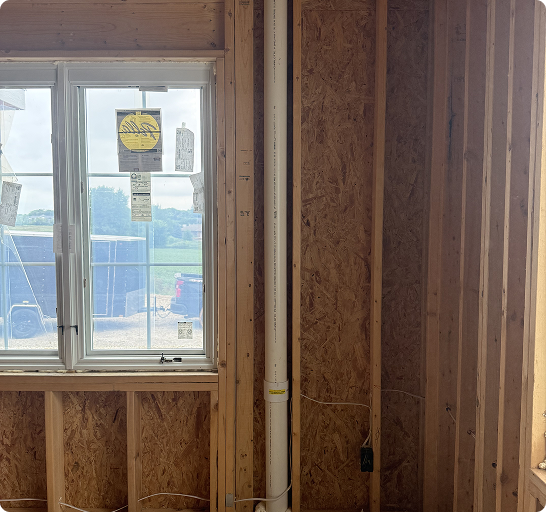
Passive Radon Resistant New Construction System
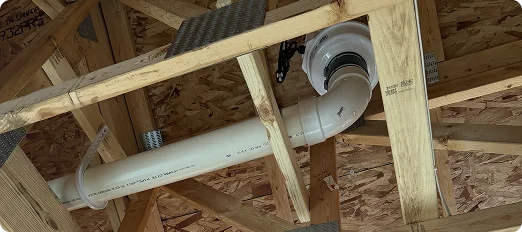
Active Radon Mitigation System for New Construction
Passive System With Electrical Rough-In
Radon Sump–Based Construction System
Crawl Space or Sealed Foundation RRNC Option
Milwaukee Radon Mitigation installs radon mitigation systems for new construction that are tailored to the foundation design, soil conditions, and layout of each home or building.
Our new construction radon system typically includes:
- Sub-slab depressurization piping installed before slab pour
- Proper radon sump construction where required
- Airtight sealing of known soil gas entry points
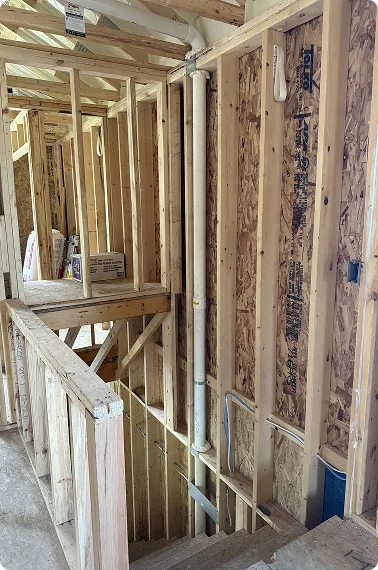
- Vertical vent stacks routed for optimal airflow
- Electrical junction boxes for future radon fan installation
Every radon mitigation system for new construction is designed to integrate cleanly with the build, preserving aesthetics while maintaining performance.
Radon testing for new construction is essential, even when radon resistant construction techniques are used. After construction is complete and the home is conditioned, professional radon testing confirms system effectiveness.
We perform radon testing for new construction using:
- Continuous radon monitor
- EPA-compliant testing protocol
- Accurate short-term testing methods
This ensures reliable results for:
- Radon test for new construction
- Radon testing new home construction
- Verification before homeowner occupancy
If levels exceed EPA guidelines, activating the system fan quickly converts the setup into a fully active radon mitigation system.
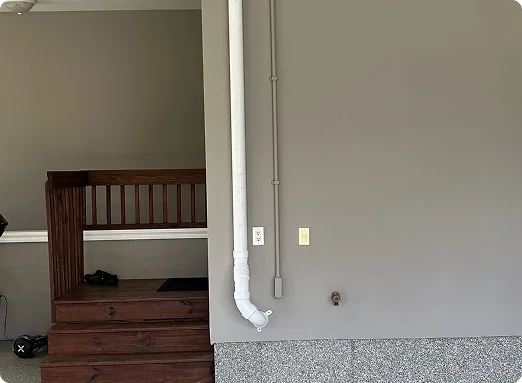
Our Radon Mitigation System for New Construction
- Sub-slab depressurization piping installed before slab pour
- Proper radon sump construction where required
- Airtight sealing of known soil gas entry points
- Vertical vent stacks routed for optimal airflow
- Electrical junction boxes for future radon fan installation
Radon Testing for New Construction & New Homes
- Continuous radon monitor
- EPA-compliant testing protocol
- Accurate short-term testing methods
- Radon test for new construction
- Radon testing new home construction
- Verification before homeowner occupancy
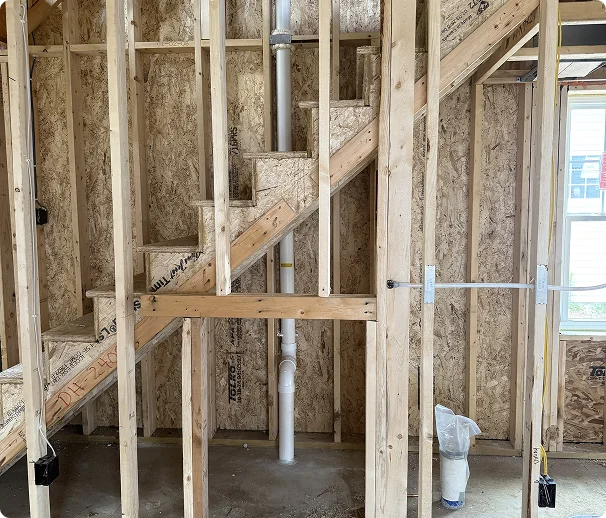
What Is Radon Resistant New Construction (RRNC)?
Radon resistant new construction (RRNC) is a proactive building approach that reduces radon gas entry using proven radon resistant construction techniques.
A properly designed radon resistant new construction system may include:
- Sub-slab gas collection layers
- Sealed soil gas entry points
- Vent piping routed through the structure
- Electrical preparation for future fan activation
These systems are often installed as passive radon systems during construction and can be converted to active sub-slab depressurization if post-build radon testing indicates elevated levels.

Need Immediate Guidance on Radon in Your New Construction?
Certified Expertise You Can Trust in Milwaukee
Radon mitigation is a specialized, safety-focused service that requires proper credentials and experience. Brian Thompson, a certified radon professional with years of hands-on experience in radon mitigation and radon resistant new construction, leads Milwaukee Radon Mitigation.
Our credentials include:
- AARST-certified radon professionals
- NRPP certification
- Fully licensed and insured in Wisconsin
- Strict adherence to EPA-approved practices
We proudly serve Milwaukee, the Greater Milwaukee Area, and surrounding Wisconsin communities with honest guidance, clean workmanship, and transparent pricing.
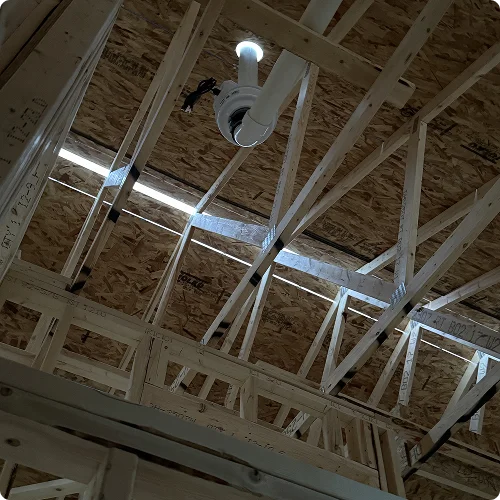
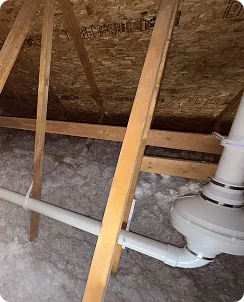
Benefits of Radon Resistant Construction for Builders & Homeowners
Radon prevention in new construction offers long-term advantages for everyone involved.
For builders:
- Code-ready radon mitigation planning
- Cleaner, more efficient installations
- Reduced liability and callbacks
For homeowners:
- Lower lifetime mitigation costs
- Easier system activation if needed
- Peace of mind from day one
Installing a radon mitigation system during construction is significantly more cost-effective than retrofitting after the home is complete.
Our Process
Project Review & Planning
We evaluate construction plans, foundation type, and site conditions to design a compliant radon-resistant construction system.
Post-Construction Radon Testing
After the home is conditioned, we perform professional radon testing using continuous radon monitors for accurate results
System Installation During Build
Our certified team installs sub-slab piping, radon sump components, and seals soil gas entry points before slab placement.
Activation & Final Verification
If needed, we activate the system fan, confirm radon reduction below EPA guidelines, and provide clear documentation.

Project Review & Planning
We evaluate construction plans, foundation type, and site conditions to design a compliant radon-resistant construction system.

System Installation During Build
Our certified team installs sub-slab piping, radon sump components, and seals soil gas entry points before slab placement.

Post-Construction Radon Testing
After the home is conditioned, we perform professional radon testing using continuous radon monitors for accurate results

Activation & Final Verification
If needed, we activate the system fan, confirm radon reduction below EPA guidelines, and provide clear documentation.
Our Radon Services
Radon Mitigation
Radon System Repair & Fan Replacement
Radon System Inspection
Vapor Intrusion
Radon Testing
Frequently Asked Questions
Still have questions?
What is the best way to avoid radon in a new house?
The best approach is radon resistant new construction, which includes sub-slab gas collection, sealed entry points, and vent piping installed during construction. This allows radon to be safely redirected before it enters the home and can be upgraded easily if testing exceeds EPA guidelines.
What is a radon barrier in construction?
A radon barrier is a gas-resistant membrane or sealed layer installed beneath slabs or crawl spaces to limit soil gas movement into the structure. It works best when combined with a venting system rather than used alone.
Will concrete stop radon?
No. Concrete is not airtight. Radon gas can pass through cracks, joints, control seams, and penetrations. Even solid concrete slabs allow radon entry without proper sealing and sub-slab depressurization.
What type of building is most affected by radon?
Buildings with basements, slab-on-grade foundations, or crawl spaces are most affected, especially in areas with radon-producing soil. Tightly sealed, energy-efficient homes can also trap higher radon levels indoors.
What materials can block radon?
No single material blocks radon completely. Effective control comes from combined systems, including sealed membranes, airtight slab sealing, and active or passive venting that redirects soil gas away from the structure.
What time of year is radon highest?
Radon levels are typically highest in winter, when homes are closed up and indoor air pressure differences draw more soil gas inside. This is why testing is often recommended during colder months.
Which type of foundation has no risk of radon gas?
There is no foundation type with zero radon risk. Basements, slabs, and crawl spaces can all allow radon entry. Proper radon resistant construction techniques are the most reliable way to reduce risk across all foundation types.
Radon won't wait, why should you?
Contact Milwaukee Radon Mitigation today for expert radon testing, mitigation, and system installation services in Milwaukee, WI. Ensure a healthy indoor environment for your family by reaching out to our certified professionals for reliable and efficient radon solutions.
Address
6301 West National Avenue West Allis, WI 53214